Turite potencialių klientų. Jų daug. Tačiau tik saujelė jų iš tikrųjų tampa klientais.
Problema retai būna jūsų pasiūlymas. Retai kada tai jūsų produktas. Problema – jūsų potencialių klientų atrankos procesas arba jo nebuvimas.
Potencialių klientų pritraukimas nėra išeitis, kai tikroji problema yra potencialių klientų kokybė. Komandos, sudarančios daugiausia sandorių, nėra tos, kurios turi didžiausius sąrašus. Jos yra tos, kurios išmoko atpažinti, kurie potencialūs klientai nusipelno savo laiko, o kurie ne.
Štai kaip tai padaryti keturiais žingsniais.
Kas yra potencialių klientų kvalifikacija ir kodėl ji svarbi?
Potencialių klientų kvalifikavimas – tai procesas, kurio metu nustatoma, kurie jūsų potencialūs kontaktai turi realų pirkimo potencialą, o kurie švaisto jūsų komandos laiką.
Tinkamas potencialus klientas yra ne tik susidomėjęs asmuo. Tai asmuo, kuris parodė susidomėjimą ir atitinka kriterijus, kurie rodo, kad jis iš tikrųjų gali pirkti – tinkamas vaidmuo, tinkama problema, tinkamas laikas ir tinkamas biudžetas.
Jei tai padarysite teisingai, jūsų pardavimo kanalas taps tvarkingesnis. Jūsų pardavimo ciklas sutrumpės. Jūsų užbaigtų sandorių procentas padidės. Jei tai padarysite neteisingai, jūsų komanda praleis geriausias valandas ieškodama galimybių, kurios niekada niekur nedingo.
Trys švino lygiai – ir ką su kiekvienu daryti
| Švino tipas | Apibrėžimas | Pavyzdys | Teisingas veiksmas |
|---|---|---|---|
| Švinas | Neapdorotas kontaktas – nekvalifikuotas arba silpnai įsitraukęs | Atsisiunčia vadovą, užpildo formą | Ugdykite turinį ir stebėkite |
| MQL (Kvalifikuotas rinkodaros vadovas) | Rodo aiškų susidomėjimą ir nuolatinį įsitraukimą | Spustelėja el. laiškus, apsilanko kainodaros puslapiuose, grįžta į jūsų svetainę | Įvertinkite, segmentuokite ir suskirstykite pagal prioritetus |
| SQL (Pardavimo kvalifikuotas vadovas) | Patvirtintas poreikis, biudžetas ir laikas – realus pardavimo potencialas | Nustatytas trūkumas + patvirtintas biudžetas + aiškus terminas | Nedelsdami susisiekite ir pereikite prie pardavimų |
Jūsų SQL yra vertingiausi jūsų potencialūs klientai. Sutelkite savo komandos laiką į juos ir įdėdami žymiai mažiau pastangų sudarysite daugiau sandorių.

Kada reikėtų patvirtinti potencialų klientą?
Kuo anksčiau – bet ne vieną kartą. Kvalifikacija yra nuolatinis procesas, o ne vienkartinis pasiekimas. Potencialus klientas, kuris nebuvo pasiruošęs prieš tris mėnesius, šiandien gali būti jūsų geriausia galimybė. Potencialus klientas, kuris sausio mėnesį atitiko visus reikalavimus, kovo mėnesį gali būti nebepasiruošęs. Nuolat peržiūrėkite savo potencialių klientų sąrašą, jam judant.
Kodėl nekvalifikuoti potencialūs klientai yra brangesni nei jų nėra
Prasta potencialių klientų kvalifikacija ne tik švaisto jūsų pardavimų komandos laiką. Tai sukuria klaidingą įspūdį apie gerą pardavimo kanalą. Jūsų pardavimo piltuvėlis atrodo pilnas. Jūsų ataskaitos atrodo daug žadančios. Tačiau kai kalbama apie faktinį sandorių sudarymą, skaičiai rodo ką kita.
Štai tikroji prastos kvalifikacijos vamzdyno kaina:
- Pardavimų atstovai valandas praleidžia filtruodami, o ne užbaigdami sandorius
- Pardavimų ciklas tęsiasi, nes niekas iš tikrųjų nėra pasiruošęs pirkti
- Komandos moralė krenta, nes pastangos neduoda rezultatų
- Pajamos stagnuoja, nepaisant didėjančios informavimo veiklos
Pataisa ne didesnis garsumas. Tai geresnis filtravimas.

Potencialių klientų paieška ir potencialių klientų kvalifikavimas
| dimensija | Švino karta | Vadovo kvalifikacija |
|---|---|---|
| Tikslas | Tūris – užpildykite piltuvą | Kokybė – filtruokite piltuvą |
| Pagrindinis savininkas | prekyba | Rinkodara ir pardavimai suderinti |
| Pagrindinis rodiklis | Laidų skaičius | Konversijų rodiklis ir pajamos |
| Rizika | Nekvalifikuoti laidai užkemša vamzdyną | Pernelyg didelė kvalifikacija ir realių galimybių praleidimas |
| Pasekmė | Pripūstas vamzdynas | Pelningas vamzdynas |
Svarbu abu. Tačiau dauguma komandų per daug investuoja į potencialių klientų generavimą ir per mažai į kvalifikaciją. Investicijų grąža (ROI) iš geresnės kvalifikacijos beveik visada viršija investicijų grąžą iš didesnio potencialių klientų skaičiaus.

Pagrindinės kvalifikacijų sandaros ir jų apribojimai
B2B potencialių klientų kvalifikacijos srityje dominuoja trys sistemos. Kiekviena jų turi savo vietą.

- BANT (Biudžetas, Įgaliojimai, Poreikiai, Laikas) – greita ir paprasta. Tinka paprastiems pardavimo ciklams. Taikant mechaniškai, gali būti pernelyg griežta.
- SRITIS (Iššūkiai, Įgaliojimai, Pinigai, Prioritetai) – pradedama nuo potencialaus kliento iššūkių prieš biudžetą, o tai labiau tinka konsultaciniam pardavimui.
- MEDICINĖ (Metrika, Ekonominis pirkėjas, Sprendimų kriterijai, Sprendimų procesas, Skausmų nustatymas, Gynėjas) – labai struktūrizuota ir išsami. Sukurta sudėtingiems įmonės pardavimams su daugeliu suinteresuotųjų šalių.
Visų trijų metodų trūkumas: jie gali sukurti klaidingą tikrumo jausmą. Potencialus klientas gali sėkmingai įveikti kiekvieną BANT klausimą ir vis tiek niekada nieko nepirkti. Sistemos yra naudingi vadovai, o ne garantijos. Jose neatsižvelgiama į elgesio lygmenį: ką potencialus klientas iš tikrųjų daro, o ne tik į tai, ką jis sako paieškos skambučio metu.
Štai čia „LinkedIn®“ socialiniai signalai pakeičia vaizdą. Įsitraukimo elgsena – ką jūsų potencialus klientas skelbia, komentuoja ir aktyviai ieško informacijos – pasako tai, ko negali pasakyti joks kvalifikacinis kontrolinis sąrašas: ar ketinimas yra tikras šiuo metu.
4 žingsniai, kaip tinkamai įvertinti potencialius klientus

1 veiksmas: apibrėžkite savo kvalifikacijos kriterijus prieš susisiekdami su bent vienu potencialiu klientu
Prieš pokalbį turite tiksliai žinoti, kaip jūsų verslui atrodo tinkamas potencialus klientas. Be aiškių kriterijų, kvalifikacija tėra spėlionės, pateikiamos kaip procesas.
Kiekvienam potencialiam klientui, patenkančiam į jūsų srautą, turėtumėte mokėti atsakyti:
- Ar šis kontaktinis asmuo atitinka jūsų ICP – pramonės šaką, darbo stažą, įmonės dydį, geografiją?
- Ar jie yra sprendimus priimantys asmenys, ar artimi tokiems asmenims?
- Ar jie turi realią problemą, kurią galite išspręsti, o ne tik miglotą susidomėjimą?
- Ar yra realus verslo potencialas – biudžetas, investicijos, išmatuojamas poveikis?
Jei dėl kurio nors iš šių punktų dvejojate, potencialus klientas dar nėra kvalifikuotas. Tai nėra gedimas. Tai reiškia, kad filtras veikia taip, kaip numatyta.
„LinkedIn®“ pagrindu veikiančiai informavimo veiklai „Konnector“ ICP filtravimo ir potencialių klientų paieškos darbo eiga leidžia apibrėžti šiuos kriterijus prieš pradedant atskirą informavimo veiksmą, kad sekos būtų vykdomos tik su tais kontaktais, kurie jau atitinka profilį.
2 veiksmas: užduokite tinkamus klausimus ir iš tikrųjų įsiklausykite į atsakymus
Dauguma kvalifikacijos patikrinimų nepavyksta iš karto, kai jie atrandami. Ne todėl, kad užduodami netinkami klausimai, o todėl, kad atsakymai iš tikrųjų nėra išgirsti. Pokalbis lieka paviršiuje. Atstovas mano radęs galimybę. Jis nerado.
Gilinkitės trijose srityse.
Dėl poreikio:
- Kodėl ieškote sprendimo dabar – kas pasikeitė?
- Kas nutiks, jei ši problema nebus išspręsta kitą ketvirtį?
- Ką bandėte anksčiau ir kodėl tai neveikė?
Dėl biudžeto ir pasirengimo:
- Ar šis projektas buvo įtrauktas į šių metų biudžetą?
- Kas dar dalyvauja priimant sprendimą?
- Ar aktyviai lyginate sprendimus, ar vis dar esate ankstyvosiose tyrimų stadijose?
Dėl laiko:
- Ar yra konkretus terminas ar koks nors įvykis, lemiantis šį procesą?
- Kas paspartintų vidinį sprendimą?
Penki–dešimt tinkamai parinktų klausimų tikrame pokalbyje pasakys daugiau nei bet koks vertinimo modelis. Tikslas nėra apklausa – tai diagnozė.
3 žingsnis: perskaitykite pirkimo signalus
Ne kiekvienas kvalifikuotas potencialus klientas pasakys „Noriu pirkti“. Bet jis jums tai parodys. Pirkimo signalai yra elgesio įrodymas apie ketinimą. Jums tereikia žinoti, kur ieškoti.
Aiškius signalus lengva pastebėti:
- Konkretūs klausimai apie funkcijas, integracijas ar kainodarą
- Demonstracinės versijos, bandomosios versijos ar pasiūlymo užklausos
- Nauji sprendimų priėmėjai prisijungia prie diskusijos
Kontekstiniai signalai reikalauja daugiau dėmesio:
- Greiti, įdomūs atsakymai, papildantys jūsų ankstesnę žinutę
- Komentarai, tokie kaip „jei mes tai įgyvendintume...“ – jie jau tai įsivaizduoja
- Klausimai apie įgyvendinimo terminus arba adaptaciją
Konkrečiai „LinkedIn®“ platformoje įsitraukimo signalai yra vieni iš ankstyviausių ir patikimiausių pirkimo rodiklių. Potencialus klientas, kuris aktyviai skelbia apie iššūkį, kurį išsprendžia jūsų produktas, arba komentuoja jūsų kategorijos turinį, rodo jūsų ketinimus dar prieš tai, kai su jumis kalbėjosi. „Konnector“ automatiškai parodo šiuos signalus , kad jūsų komanda reaguotų į juos tinkamu momentu, o ne po to, kai momentas jau praėjo.
4 veiksmas: išfiltruokite blogus potencialius klientus – ir padarykite tai anksti
Tai žingsnis, kurį dauguma komandų praleidžia. Ir jis viską pakeičia.
Instinktas skatina kiekvieną potencialų klientą siekti pergalės. Tačiau silpnos galimybės vaikymasis kainuoja daugiau nei jos atsisakymas per anksti. Laikas, energija, darbo eigos triukšmas ir alternatyviosios išlaidos, kylančios dėl to, kad nenaudojami potencialūs klientai.
Atsisakykite potencialaus kliento arba perkelkite jį į klientų aptarnavimo skyrių, kai:
- Poreikis yra neaiškus ir nėra aiškiai nurodytas prioritetas
- Nėra biudžeto arba biudžetas patvirtintas tik tolimos ateities laikotarpiui
- Laiko juosta yra per tolima, kad būtų galima imtis veiksmų dabar
- Kontaktinis asmuo neturi sprendimų priėmimo įgaliojimų ir negali jūsų sujungti su asmeniu, kuris turi.
Sakyti „ne“ netinkamam potencialiam klientui nereiškia prarasti sandorį. Tai reiškia išsaugoti komandos laiką sandoriams, kurie iš tikrųjų bus sudaryti.
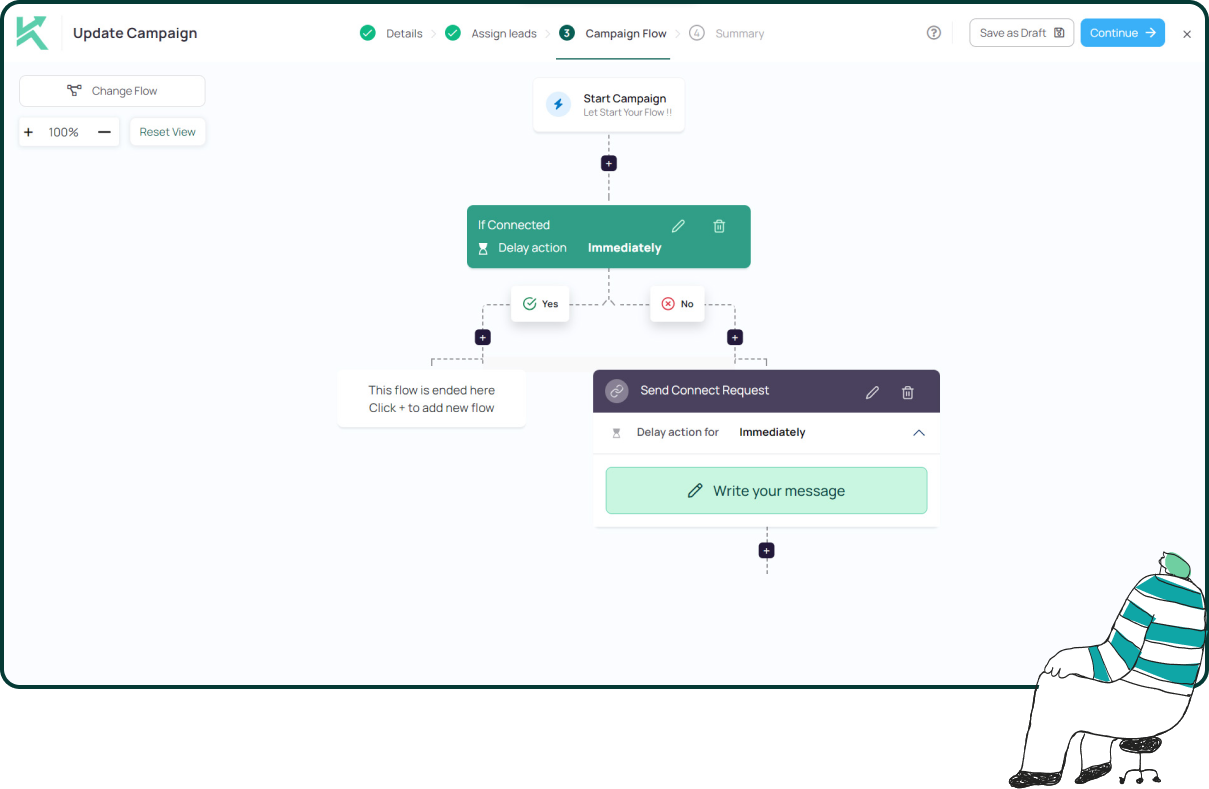
Atsisakyti potencialaus kliento nereiškia nutraukti santykius. Perkelkite juos į puoselėjamą seką ir vėl įtraukite, kai atsiranda naujas signalas, rodantis, kad laikas pasikeitė. „Konnector“ išmaniosios sekos gali išlaikyti potencialius klientus mažai dėmesio reikalaujančiame puoselėjamame sraute ir automatiškai pakeisti jų prioritetus, kai atsiranda naujų ketinimų signalų.
Kaip įvertinti ir patobulinti savo kvalifikacijos procesą
Gerai atrinkti potencialius klientus yra viena. Norint žinoti, ar jūsų atrankos procesas iš tikrųjų veikia, reikia duomenų.
Svarbūs rodikliai
| metrinis | Ką tau sako | Įspėjamasis ženklas |
|---|---|---|
| Potencialių klientų pavertimo galimybe rodiklis | Kaip efektyviai potencialūs klientai yra kvalifikuojami ir paverčiami realiomis pardavimo galimybėmis | Per žema = prasta kvalifikacija. Per aukšta ir mažos pajamos = per aukšta kvalifikacija. |
| Uždarymo kursas | Koks procentas tinkamų galimybių iš tikrųjų užsidaro | Žemas užbaigimo rodiklis, nepaisant pilno potencialių klientų skaičiaus = reikia sugriežtinti kvalifikacijos kriterijus |
| Pardavimo ciklo trukmė | Kiek laiko užtrunka užbaigti kvalifikuotą potencialų sandorį | Ilgi ciklai dažnai rodo, kad potencialūs klientai atestuojami per anksti arba per laisvai. |
| Diskvalifikacijos rodiklis | Kiek potencialių klientų prarandama pradėjus pardavimo procesą | Didelis rodiklis = kvalifikacija atliekama per vėlai piltuvėlyje |
Stebėkite šiuos rodiklius kartu, o ne atskirai. Vienas rodiklis niekada nepasako visos istorijos. Konversijų rodiklio, ciklo trukmės ir diskvalifikacijos rodiklio derinys suteikia aiškų vaizdą, kur procesas veikia, o kur potencialūs klientai praslysta.
Potencialių klientų vertinimas: leiskite elgesiui nustatyti prioritetus
Potencialių klientų vertinimas kiekvienam kontaktui priskiria skaitinę vertę pagal jo profilį ir elgesį – įsitraukimą, sąveikas, reagavimo modelius ir aktyvaus susidomėjimo lygį. Kuo didesnis balas, tuo labiau potencialus klientas yra pasirengęs pirkti.
Efektyvus potencialių klientų vertinimas reiškia, kad jūsų pardavimų komandai nereikia rankiniu būdu peržiūrėti kiekvieno kontakto, kad nuspręstų, kam skambinti toliau. Duomenys parodo prioritetą. Atstovas į juos atsako.
„LinkedIn®“ platformoje „Konnector“ signalų stebėjimas veikia kaip elgsenos vertinimo sluoksnis realiuoju laiku – išryškina potencialius klientus, šiuo metu rodančius didžiausią ketinimą pirkti, todėl jūsų komanda visada pirmiausia dirba su perspektyviausiais klientais, o ne su tais, kurie prieš tris savaites atrodė gerai statiniame filtre.
Potencialių klientų nukreipimas: tinkamo potencialaus kliento nukreipimas tinkamam atstovui
Kvalifikacija nustato tinkamus potencialius klientus. Maršrutas nukreipia juos tinkamam asmeniui. Kvalifikuoto įmonės potencialaus kliento priskyrimas atstovui, kuris specializuojasi MVĮ klientų srityje, yra kvalifikacijos nesėkmė, net jei pats potencialus klientas buvo puikiai įvertintas.
Maršrutą rinkitės pagal pramonės šaką, įmonės dydį, geografinę teritoriją ar sandorio sudėtingumą – ir darykite tai greitai. Kuo greičiau kvalifikuotas potencialus klientas pasiekia tinkamą atstovą, tuo didesnė tikimybė, kad jis konvertuosis. Įmonės, kurios atsako į kvalifikuotą potencialų klientą per penkias minutes, yra žymiai labiau linkusios sudaryti sandorį nei tos, kurios susisiekia po kelių valandų.
„Konnector“ potencialių klientų paskirstymas ratu tiesiogiai susijęs su tuo – automatiškai paskirsto potencialius klientus SDR komandoms, kad nė viena tinkama galimybė neliktų neišnaudota, kol yra tinkamas atstovas.
Kaip automatizuoti potencialių klientų kvalifikaciją neprarandant žmogiškojo sluoksnio
Augant potencialių klientų skaičiui, rankiniu būdu įvertinti kiekvieną kontaktą tampa neįmanoma. Automatizavimas nepakeičia žmogaus sprendimų vertinimo metu – jis juos apsaugo. Atlikdama rūšiavimo, filtravimo ir prioritetų nustatymo darbus, automatizavimas užtikrina, kad jūsų komandos sprendimai būtų taikomi tik ten, kur jų iš tikrųjų reikia.
Kas gali būti automatizuota:
- Potencialių klientų filtravimas pagal ICP profilio duomenis – pramonės šaką, vaidmenį, įmonės dydį, geografiją
- Potencialių klientų vertinimas remiantis elgesio signalais – įsitraukimu, sąveika, reagavimo modeliais
- Automatinis kvalifikuotų potencialių klientų nukreipimas tinkamam atstovui arba sekai
- Pakartotinio įsitraukimo aktyvavimas, kai pasyvus potencialus klientas parodo naują aktyvumą
Kam vis dar reikia žmogaus:
- Suprasti tikrąjį poreikį, slypintį už išreikšto intereso
- Tono, dvejonių ir konteksto skaitymas gyvame pokalbyje
- Priimant sprendimą dėl ribinio pavyzdžio perkėlimo į kitą etapą arba jo diskvalifikavimo
Tikslas nėra automatizuoti kvalifikacijos procesą. Tikslas – automatizuoti viską, kas su juo susiję, kad jūsų komanda sutelktų dėmesį į tai, ką gali padaryti tik jie.
„Konnector“ platforma sujungia signalais pagrįstą potencialių klientų identifikavimą, išmaniąsias informavimo sekas ir vieningą gautųjų dėžutę, kad jūsų komandai suteiktų būtent tokią struktūrą – automatizuotą prioritetų nustatymą, kuris dideliu mastu ir be jokio triukšmo būtų įtrauktas į žmonių vadovaujamus pokalbius.
Pradėkite uždaryti tinkamus potencialius klientus
Gera potencialių klientų kvalifikacija nėra filtras, kuris papildo jūsų pardavimo procesą. Tai yra jo pagrindas. Švaresnis pardavimo kanalas. Trumpesnis pardavimo ciklas. Didesnis užbaigtų sandorių skaičius. Visa tai kyla iš ankstyvo ir aiškaus žinojimo, kurie potencialūs klientai verti jūsų komandos laiko.
Sistema susideda iš keturių žingsnių. Apibrėžkite kriterijus. Užduokite tinkamus klausimus. Perskaitykite pirkimo signalus. Atrinkite tuos, kurie dar nėra paruošti, ir skirkite savo komandos laiką tiems, kurie yra paruošti.
„Konnector“ suteikia signalinį sluoksnį, kuris leidžia tai praktiškai pritaikyti dideliu mastu – išryškinti potencialius klientus su dideliais ketinimais tiesioginėje „LinkedIn®“ veikloje, vykdyti elgesio inicijuojamas sekas ir išlaikyti jūsų komandą sutelktą į pokalbius, kurie greičiausiai paskatins konvertavimą.
Užsisakykite demonstracinę versiją ir sužinokite, kaip „Konnector“ atitinka jūsų kvalifikacijos ir informavimo darbo eigą. Arba užsiregistruokite ir pradėkite kurti vertingą platformą.
Toliau skaitykite
- „LinkedIn®“ socialinių signalų supratimas naudojant „Konnector“
- Išmaniosios sekos: „LinkedIn®“ automatizavimas naudojant „if/then“ logiką
- Potencialių klientų paieška „LinkedIn®“ platformoje: „Konnector“ metodas
- „LinkedIn®“ B2B informavimo strategija: kas veikia dabar
- SDR įgūdžiai ir savybės, lemiančios pardavimų sėkmę
- Potencialių klientų paieškos gudrybės, kurios iš tikrųjų veikia „LinkedIn®“ tinkle
11 kartų padidinkite savo „LinkedIn®“ kontaktus su
Automatika ir Gen AI
Išnaudokite „LinkedIn® Automation“ ir dirbtinio intelekto galią, kad padidintumėte savo pasiekiamumą kaip niekad anksčiau. Kiekvieną savaitę įtraukite tūkstančius potencialių klientų naudodami dirbtinio intelekto pagrindu veikiančius komentarus ir tikslines kampanijas – visa tai vienoje potencialių klientų paieškos platformoje.
Dažnai užduodami klausimai
Potencialių klientų kvalifikavimas – tai procesas, kurio metu nustatoma, ar potencialus klientas turi tinkamą profilį, poreikį, biudžetą, įgaliojimus ir laiką tapti klientu. Tai padeda pardavimų komandoms sutelkti dėmesį į galimybes, kurios greičiausiai paskatins konversiją.
Potencialių klientų kvalifikacija pagerina konversijos rodiklius, sutrumpina pardavimo ciklus ir neleidžia pardavimų komandoms gaišti laiko potencialiems klientams, kurie greičiausiai nepirks. Gerai kvalifikuotas potencialių klientų srautas dažnai yra vertingesnis nei didesnis srautas, pripildytas žemos kokybės potencialių klientų.
Potencialus klientas yra nekvalifikuotas kontaktas, kuris parodė tam tikrą susidomėjimą. MQL (rinkodaros kvalifikuotas potencialus klientas) parodė prasmingą įsitraukimą ir atitinka jūsų tikslinę auditoriją. SQL (pardavimų kvalifikuotas potencialus klientas) patvirtino pirkimo potencialą ir yra pasirengęs tiesioginiams pardavimams.
Potencialių klientų atranka turėtų prasidėti kuo anksčiau ir tęstis per visą pirkėjo kelionę. Potencialaus kliento aplinkybės laikui bėgant gali keistis, todėl atranka turėtų būti nuolatinis procesas, o ne vienkartinis vertinimas.
Plačiausiai naudojamos sistemos yra BANT (Budget, Authority, Need, Timing – Biudžetas, Įgaliotybė, Poreikiai, Laikas), CHAMP (Challenges – Iššūkiai, Įgaliotybė, Pinigai, Prioritetas – Iššūkiai) ir MEDDIC (Metrics – Ekonominis pirkėjas, Sprendimų kriterijai, Sprendimų procesas, Skausmo nustatymas, Čempionas – Metrika). Kiekviena sistema padeda pardavimų komandoms įvertinti, ar verta siekti potencialaus kliento.
Pirkimo signalai apima demonstracinių versijų užklausas, kainų klausimus, diskusijas apie diegimą, įsitraukimą į atitinkamą turinį ir aktyvų dalyvavimą pokalbiuose, susijusiuose su jūsų sprendimo išsprendžiama problema.
Sutelkite dėmesį į potencialaus kliento iššūkių, tikslų, biudžeto, sprendimų priėmimo proceso ir terminų supratimą. Tikslas – nustatyti, ar yra tikras verslo poreikis ir pasirengimas imtis veiksmų.
Potencialių klientų vertinimas – tai metodas, kai potencialiems klientams priskiriamos skaitinės vertės, remiantis demografiniais rodikliais ir elgsenos signalais, tokiais kaip apsilankymai svetainėje, įsitraukimas į turinį, el. pašto sąveika ir atsakymai į užklausas. Didesnis balas rodo stipresnį pirkimo ketinimą.
Taip. Įmonės gali automatizuoti potencialių klientų kvalifikavimo dalis, įskaitant ICP filtravimą, potencialių klientų vertinimą, nukreipimą ir elgsenos signalų stebėjimą. Tačiau vertinant poreikius, kontekstą ir pirkimo ketinimus, vis tiek labai svarbus žmogaus sprendimas.
„LinkedIn®“ teikia vertingus ketinimų signalus per potencialių klientų aktyvumą, įsitraukimą į turinį, komentarus, darbo pasikeitimus ir įmonės naujienas. Šie signalai gali padėti pardavimų komandoms atpažinti potencialius klientus, kurie aktyviai ieško sprendimų ir gali būti pasiruošę pokalbiui.