
| I-Charlse Ukumaketha kwe-VP I-MBA ekukhangiseni kwedijithali |
TL; DR: LinkedIn lead generation software automates connection requests, follow-up messages, and profile visits so B2B sales teams can prospect at scale without manual effort. According to Isitatimende, LinkedIn accounts for over 80% of B2B social media leads — making systematic outreach on the platform a significant pipeline lever. Teams that move from ad hoc manual prospecting to structured, automated sequences consistently see higher reply rates and more predictable pipeline.
-
LinkedIn has more than 1 billion members — and according to Isitatimende, imele abantu abangaphezu kuka-80% abaholayo ezinkundleni zokuxhumana ze-B2B. Abathengi bakho bakhona. Inkinga akuyona ipulatifomu. Yinqubo.
Isofthiwe yokukhiqiza ama-lead ku-LinkedIn is a category of tools designed to automate and manage prospecting activity on LinkedIn — including connection requests, follow-up messages, profile visits, and contact tracking — at a scale and consistency no manual effort can match.If your team is still doing this by hand, you already feel the ceiling.
-
Kungani i-LinkedIn Outreach Yehla Ngezinga Eliphezulu
Manual LinkedIn prospecting works fine for one person sending 20 messages a week. It falls apart the moment you have a team of five reps, multiple accounts, and a real pipeline target.
Here’s where the breakdown happens:
Repetition kills hours. A rep spending 90 minutes a day on connection requests, follow-ups, and profile visits is spending roughly 375 hours a year on low-value tasks. Multiply that across five reps and you’ve lost over 1,800 hours of selling time annually. Follow-ups fall through the cracks. Without a system, timing follow-ups correctly is nearly impossible. Most reps either follow up too fast or forget entirely. High-intent leads go cold not because they weren’t interested — but because no one touched them at the right moment. Managers are flying blind. When outreach lives inside individual LinkedIn accounts, there’s no consolidated view of activity. You can’t see who’s sent what, which messages get replies, or where the pipeline is actually coming from. You’re managing outputs you can’t measure.Inkinga akuyona umzamo. Ukuthi ukufinyelela ngesandla akunawo umjikelezo wempendulo.
-
What Does LinkedIn Lead Generation Software Actually Do?
LinkedIn lead generation software handles the repetitive, time-sensitive work of outreach — automatically and consistently — so your team focuses on conversations that convert.
Enhliziyweni yalo, ithuluzi eliqinile lihlanganisa imisebenzi emine:
Izenzo Zokufinyelela Okuzenzakalelayo
Isofthiwe ithumela izicelo zokuxhumeka, imiyalezo yokulandelela, ukubukwa kwephrofayela, kanye nokusekelwa ngesheduli ethile - ilingisa ukuziphatha kwemvelo komuntu ukuze kugwenywe ukuvusa izihlungi zokuphepha ze-LinkedIn. Lokhu kugcina umsebenzi wakho wansuku zonke ungaphakathi kwemingcele yesikhulumi ngenkathi kukhulisa kakhulu ivolumu.
Lead Sourcing and Filtering
Amathuluzi amahle adonsa ama-lead ngqo emithonjeni ye-LinkedIn — uhlu lwe-Sales Navigator, ababekhona emcimbini, amalungu eqembu, amakhasi enkampani, abantu abathumela imibiko — futhi abahlunge ngokusekelwe ezindinganisweni ezibekwa yiqembu lakho. Awusakopishi amaphrofayili ngesandla kuspredishithi.
Ukuphathwa kwama-akhawunti amaningi
Kumaqembu anabameleli abaningi noma ama-akhawunti amaklayenti, ikhono lokuxhuma nokuphatha amaphrofayili amaningana e-LinkedIn kusuka kudeshibhodi eyodwa libalulekile. I-akhawunti ngayinye kufanele isebenze ngokuzimela, inezilungiselelo zayo zomsebenzi kanye nemikhawulo.
Ukulandelela umkhankaso kanye nezibalo
Udinga ukwazi ukuthi yini esebenzayo. Izingoma zesofthiwe ezisebenzayo zimema amazinga okwamukelwa, amazinga okuphendula, kanye nesikhathi sokuphendula — okunikeza abaphathi idatha yokuqeqesha abameleli nokuthuthukisa imiyalezo ngaphandle kokuqagela.
-
What Features Should You Look for in LinkedIn Lead Generation Software?
Akuwona wonke amathuluzi akhelwe amaqembu. Amanye aklanyelwe abasebenzisi bodwa abasebenzisa izigcawu ezilula zokuconsa. Amanye aklanyelwe izinhlangano eziphethe ama-akhawunti amaningi amaklayenti ngesikhathi esisodwa. Yazi okudingayo ngaphambi kokuqhathanisa izinketho.
Izilawuli Zokuphepha (Akuxoxiswana Ngazo)
LinkedIn actively detects automation. Any tool that doesn’t operate within platform limits — or doesn’t randomize activity timing — will get accounts restricted. Look for tools with built-in daily limits, randomized delays between actions, and warm-up periods for new accounts. This isn’t optional. One banned account can cost your team weeks of momentum.
Imikhankaso Ehlakaniphile Enokwenziwa Ngokwezifiso
Blast campaigns don’t work on LinkedIn. Buyers recognize templated messages immediately. The best tools let you build conditional message sequences — where the next step changes based on whether someone accepted, replied, or ignored the previous touchpoint. Even better if the tool uses AI to generate personalized message variants based on profile data rather than inserting a first name and calling it personalization.
Multi-Account Support with Centralized Control
Uma uphatha ithimba, udinga ukubona wonke ama-akhawunti endaweni eyodwa. Bheka amathuluzi akuvumela ukuthi uxhume amaphrofayela amaningi e-LinkedIn, usethe imikhawulo yomsebenzi ngamunye nge-akhawunti ngayinye, futhi ubuke ukusebenza okuhlanganisiwe eqenjini lonke. Ngaphandle kwalokhu, ubuyela ekuphatheni konke ngesandla kumathebhu ahlukene.
Lead Export and CRM Integration
Leads trapped inside a LinkedIn tool aren’t useful. The software should export contacts — including enriched data like job title, company, and LinkedIn URL — directly to your CRM or as a CSV. One-click export across multiple sources saves hours per week.
Umthamo Wevolumu Ohambisana Nemigomo Yakho
Some tools cap you at a few hundred invites per week. If you’re running a team with aggressive pipeline targets, that’s a hard ceiling on growth. Look for platforms that can send over 1,000 invites daily across accounts, within LinkedIn’s safety parameters.
| Isici | Kungani Kubalulekile | Ifulegi Elibomvu Okufanele Libukwe |
|—|—|—|
| Izilawuli zokuphepha kanye nemikhawulo | Ivimbela ukuvinjelwa kwe-akhawunti | Akukho okushiwoyo ngemikhawulo yansuku zonke noma ukubambezeleka |
| AI-powered personalization | Higher reply rates | Only supports static templates |
| Multi-account management | Team-wide visibility | Single-account only |
| Lead export / CRM sync | Keeps pipeline moving | Data locked in the platform |
| Volume capacity | Scales with team growth | Hard cap under 500/week |
| Campaign analytics | Enables optimization | No reply or acceptance tracking |
-
Uyisebenzisa Kanjani I-LinkedIn Outreach Ngokuphepha Ngaphandle Kokukhawulelwa Kwama-Akhawunti Akho?
Account safety is the most underestimated risk in LinkedIn automation — and the most expensive mistake a team can make. For a deeper breakdown of how to structure safe, scalable outreach, see this LinkedIn automation tool guide for sales teams.
LinkedIn’s algorithm flags accounts that show sudden spikes in activity, send messages with identical text at identical intervals, or operate outside normal usage hours. Getting restricted means losing access to a warm network your rep spent months building.
Qala kancane. New accounts or accounts that haven’t used automation before should ramp up gradually — starting at 20–30 invites per day and increasing over two to three weeks. Don’t jump straight to maximum volume. Vary your messaging. Ukuthumela umlayezo ofanayo kubantu abangu-300 ngosuku olulodwa kuyindlela etholwa yi-LinkedIn. Jikelezisa ukuhlukahluka komyalezo, lungisa izikhawu zesikhathi, futhi ugweme ukuthumela amaqoqo aphelele ngehora. Stay within platform norms. LinkedIn’s weekly connection limit sits around 100–200 for standard accounts. Sales Navigator accounts have more room. Whatever tool you use should enforce these limits automatically — not leave it to the rep to count manually. Use dedicated IPs where possible. Some tools offer residential or dedicated IP assignments per account, which reduces the risk of one account’s behavior affecting others in your organization.The non-obvious insight here: the biggest safety risk isn’t automation itself — it’s inconsistency. A rep who manually sends 5 invites one day and 150 the next looks more suspicious than an automated account sending a steady 40 per day with varied timing.
-
How Do You Choose the Right LinkedIn Lead Generation Tool for Your Team?
The right tool depends on your team size, outreach volume, and how much of the workflow you want to automate.
Qala ngemibuzo emithathu:
1. How many LinkedIn accounts does your team run?Uma kungaphezu kwamabili, udinga ipulatifomu yama-akhawunti amaningi. Amathuluzi e-akhawunti eyodwa azokuphoqa ukuthi uthole izindlela zokuxazulula izinkinga ezizophela ngokushesha.
2. What’s your weekly outreach target?Work backward from your pipeline goal. If you need 50 qualified conversations per month and your average acceptance rate is 25%, you need to send at least 200 invites per week. Make sure the tool supports that volume safely.
3. How much personalization do your campaigns require?High-touch enterprise outreach needs conditional sequences and AI-generated messaging. If you’re running high-volume, lower-touch campaigns, a simpler setup works — but the tool still needs message rotation.
Imibuzo Ongayibuza Ngaphambi Kokuthenga
- Does the tool support the LinkedIn sources I’m targeting (Sales Navigator, events, groups, post engagers)?
- Can I assign separate accounts to separate team members with individual permissions?
- How does the tool handle LinkedIn’s limits — automatically or manually?
- Ngingakwazi yini ukuthumela oxhumana nabo ku-CRM yami ngokuchofoza okukodwa?
- Ingabe kukhona isivivinyo samahhala noma idemo enomsebenzi wangempela - hhayi nje uhambo lomkhiqizo?
Avoid tools that lock all useful features behind the highest pricing tier. If you can’t test the multi-account functionality before you pay, that’s a signal.
-
Kusukela Ekuxhumekeni Kokuqala Kuya Esivumelwaneni Esivaliwe: Ukwakha Iphayiphi Ye-LinkedIn Ephindaphindwayo
Ipayipi le-LinkedIn eliphindaphindwayo alilona uchungechunge lwezigameko — liwuchungechunge oluhlelekile oluhambisa oxhumana nabo kusuka ekubanda kuya engxoxweni ngesivinini esizwakala singokwemvelo kumthengi.
Isinyathelo 1: Chaza iphrofayela yakho yokuxhumana efanele
Before you build any campaign, get specific. Job title, company size, industry, seniority level, and — critically — what LinkedIn source you’ll pull them from. The more precise your targeting, the higher your acceptance and reply rates.
Isinyathelo 2: Yakha Uchungechunge Lokuthinta Okuningi
Isicelo soxhumano olulodwa siphenduka kabi ngokwaso. Uchungechunge olwakhiwe kahle lubukeka kanje:
- Usuku 1: Send connection request (no note, or a short personalized note — test both)
- Usuku 3 ngemuva kokwamukelwa: Umlayezo wokuqala — omfushane, oqhutshwa yinzuzo, awuceli
- Usuku 7: Umyalezo wokulandelela — bhekisela endaweni ethile ebuhlungu noma okuqukethwe okuthile
- Usuku 14: Ukuthinta kokugcina — i-CTA ethambile, nikeza insiza noma ucingo lwemizuzu eyi-15
Four touchpoints over two weeks. That’s the minimum for a high-intent campaign. If you’re also engaging prospects through content, Amazwana e-AI LinkedIn awina amadili can complement your outreach sequence by warming prospects before your connection request lands.
Isinyathelo 3: Landelela Okubalulekile
Acceptance rate tells you if your targeting is right. Reply rate tells you if your messaging is right. Meeting booked rate tells you if your offer is right. Track all three — weekly, per campaign, per rep.
Ngokuvumelana ne I-Forrester Research, B2B buyers typically engage with multiple touchpoints before agreeing to a sales conversation. Consistent, spaced follow-up isn’t aggressive — it’s what converts.
Step 4: Optimize Before You Scale
Run a campaign to 200 contacts before scaling to 2,000. Test two message variants. Identify which LinkedIn source produces the highest acceptance rate. Fix the weak points in the sequence before you multiply volume — otherwise you’re scaling a broken process.
Step 5: Hand Off Warm Leads Immediately
The moment a prospect replies with genuine interest, a human takes over. Automation gets the conversation started. A rep closes it. Build a clear handoff protocol — ideally with a CRM trigger — so warm leads don’t sit in an inbox waiting.
-
imibuzo ejwayelekile ukubuzwa
Q: How does LinkedIn lead generation software differ from manual prospecting?LinkedIn lead generation software automates repetitive prospecting tasks — connection requests, follow-up messages, profile visits — that would otherwise consume hours of a rep’s day. Where manual prospecting is limited by human bandwidth and prone to inconsistent follow-up, software runs structured multi-touch sequences at scale, with analytics to show what’s working. The result is a measurable, repeatable outreach process rather than one that depends on individual rep discipline.
Q: What is LinkedIn lead generation software?LinkedIn lead generation software automates prospecting tasks on LinkedIn — including connection requests, follow-up messages, and profile visits — so sales teams can reach more qualified contacts at scale. It typically includes campaign management, lead sourcing, multi-account support, and performance analytics. The goal is to replace hours of manual outreach with a structured, measurable process that keeps pipeline moving consistently.
Q: Is LinkedIn automation safe to use?Ukuzenzakalela kwe-LinkedIn kuphephile uma kusetshenziswa ngaphakathi kwemingcele yesikhulumi kanye namathuluzi ahlela isikhathi ngokungahleliwe, ashintshashintsha imiyalezo, futhi andise umsebenzi kancane kancane. Ingozi ivela kumathuluzi akhulisa umsebenzi ngokuzumayo, athumela imiyalezo efanayo ngobuningi, noma anganaki imingcele yansuku zonke ye-LinkedIn. Ama-akhawunti ahlonipha amaphethini okusetshenziswa kwemvelo - ivolumu ezinzile, izikhawu ezahlukahlukene, amahora angokoqobo - awavamile ukubhekana nemikhawulo.
Q: Zingaki izicelo zokuxhumeka kwe-LinkedIn ongazithumela ngosuku ngokuphephile?I-LinkedIn ikhawulela izicelo zokuxhumeka ku-100-200 ngesonto kuma-akhawunti ajwayelekile, yize lokhu kuyahlukahluka ngokusekelwe eminyakeni ye-akhawunti, umlando womsebenzi, nokuthi i-akhawunti inayo yini i-Sales Navigator. Amathuluzi amaningi okwenza ngokuzenzakalela ancoma ukuqala ngezimemo ezingu-20-40 ngosuku futhi ukhule kancane kancane emavikini amabili kuya kwamathathu. Ukuhlala ngaphakathi kwalezi zigaba njalo kuphephile kakhulu kunokufinyelela ophahleni nsuku zonke.
Q: Lingakanani izinga lokuphendula elingokoqobo lemikhankaso yokufinyelela i-LinkedIn?Reply rates on LinkedIn outreach typically range from 10% to 30%, depending on targeting precision, message personalization, and the seniority of the audience. Highly personalized sequences that address a specific pain point perform at the higher end; generic templated messages perform at the low end or below it. Tracking reply rates per campaign, per rep, and per message variant is the fastest way to identify what is actually working.
Q: Do you need Sales Navigator to use LinkedIn lead generation software?Most LinkedIn lead generation tools work with standard LinkedIn accounts without requiring Sales Navigator. However, Sales Navigator significantly expands lead sourcing options — including advanced search filters, saved lead lists, and account-level tracking — which improves targeting quality and conversion rates. For teams with serious pipeline targets, the investment in Sales Navigator typically pays back quickly through better lead quality.
Q: What should a LinkedIn outreach sequence look like to maximize conversions?A high-converting LinkedIn outreach sequence typically spans two to four weeks and includes at least four touchpoints: an initial connection request, a short value-driven first message after acceptance, a follow-up referencing a specific pain point, and a final message with a soft call to action. According to I-Forrester Research, B2B buyers engage with multiple touchpoints before agreeing to a sales conversation, so consistent, spaced follow-up is essential rather than optional. Testing two message variants before scaling to large contact volumes is the most reliable way to optimize before committing to a sequence.
U: Uyihlola kanjani isofthiwe yokukhiqiza ama-lead ku-LinkedIn ngaphambi kokuthenga?Before committing to a tool, verify it supports the LinkedIn sources your team targets — such as Sales Navigator lists, event attendees, or post engagers — and that multi-account functionality is available on the plan you’re considering, not locked behind a higher tier. Confirm the tool enforces LinkedIn’s daily and weekly limits automatically rather than leaving it to the rep to manage manually. Insist on a free trial or demo that includes real functionality, not just a product walkthrough, so you can validate the workflow before purchasing.
-
Ukulungele ukukhulisa ukufinyelela kwakho kwe-LinkedIn ngaphandle kokusebenzisa ngesandla? Try Konnector for free — ngokuzenzakalela izimemo, imiyalezo, kanye nokuvakasha kwephrofayela kuma-akhawunti e-LinkedIn angenamkhawulo, konke kusuka kudeshibhodi eyodwa.
Kubhalwe nge I-OneBlogADay — okuqukethwe okutholakalayo
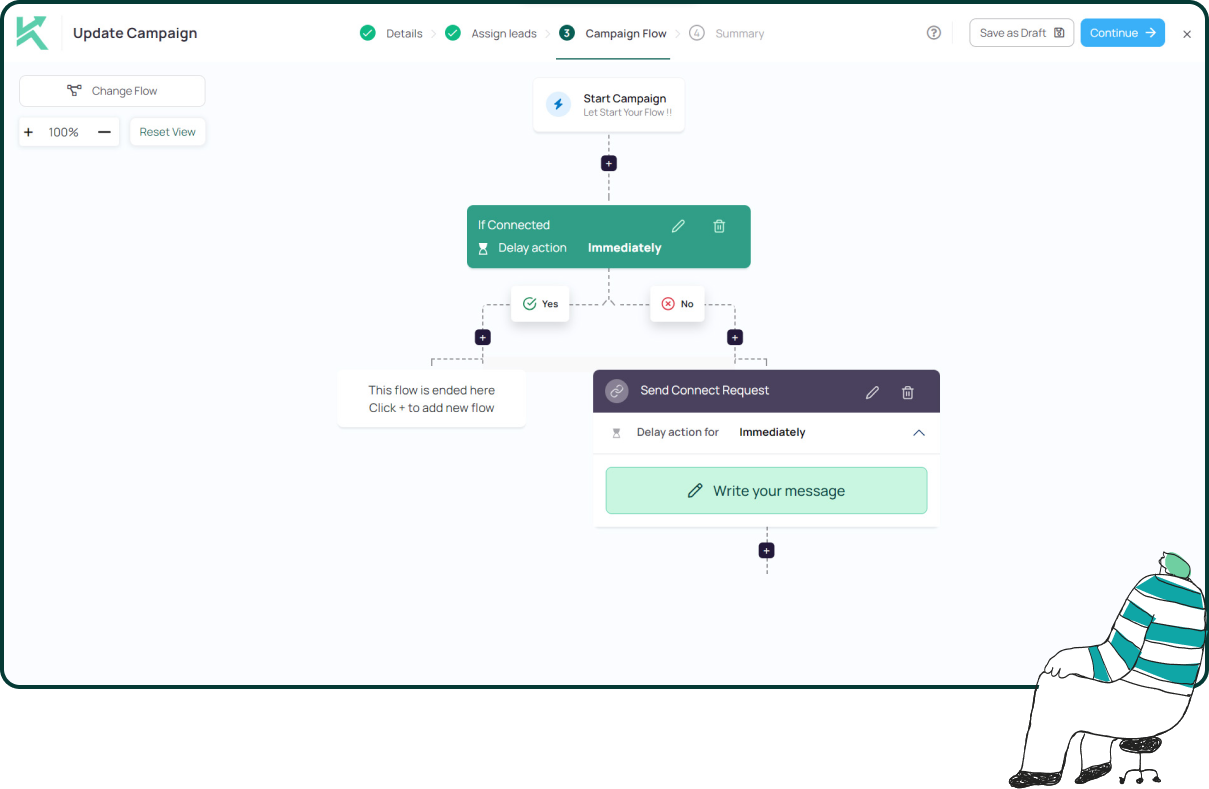
11x Ukufinyelela Kwakho kwe-LinkedIn Nge
Okuzenzakalelayo kanye neGen AI
Bopha amandla e-LinkedIn Automation kanye ne-Gen AI ukuze ukhulise ukufinyelela kwakho kunanini ngaphambili. Bandakanya izinkulungwane zabaholayo masonto onke ngamazwana aqhutshwa yi-AI kanye nemikhankaso eqondiwe—konke kuvela endaweni eyodwa ye-lead-gen powerhouse.