If your team is still relying on sticky notes, spreadsheets, and “I’ll follow up tomorrow,” you are not running a pipeline.
You are running a hope strategy.
Sales automation fixes the biggest leak in outbound and lead follow-up:
- Leads go cold because reps forget to follow up
- Great prospects slip because timing is inconsistent
- Teams waste hours on repetitive emails instead of real conversations
The point of sales automation is not to sound automated.
It is to remove busywork so your messaging can sound more human.
What is sales automation?
Sales automation is the use of software to automate repeatable sales tasks, especially around outreach and follow-up.
Most teams use it for:

What is email sequence software?
Email sequence software is a core part of sales automation.
It lets you create a timed “cadence” of emails that run automatically until the prospect replies or the sequence ends.
Simple cadence example:

What to look for in email sequence software for sales automation?

Must-have features:
- Sequence builder: easy to set up multi-step cadences
- Rules and triggers: time delays plus behavior-based actions
- Auto-stop on reply: instantly pauses when a prospect responds
- Personalization fields: name, company, role, industry, and custom variables
- Deliverability support: bounce handling, domain health guidance, warm-up options
- Analytics: open rate, reply rate, meetings booked, step-level performance
- CRM integration: HubSpot, Salesforce, Pipedrive, etc.

Nice-to-have features (if you want to scale)
- Conditional branching: if opened but no reply, send a different follow-up
- Multi-channel steps: email + LinkedIn tasks + calls
- AI assistance: subject line ideas, first-line personalization suggestions
- Team controls: templates, approvals, permissions, shared reporting
Best email sequence software for sales automation
Below are widely used categories of tools and what they are best at.
Pick the category that matches your workflow first, then shortlist tools inside it.
1) CRM-first platforms (best when your CRM is the source of truth)
Best for: teams who live inside a CRM and want everything tracked automatically
- Sequences connected to contacts and deals
- Reporting tied to pipeline and revenue
- Better handoffs between marketing and sales
When to choose this: you want sales automation that also cleans your pipeline and improves forecasting
2) Outbound-first sequencing tools (best for cold outreach speed)
Best for: SDR teams, founders, and outbound-heavy sales motions
- Fast setup and quick experimentation
- Strong cadence control
- Focus on replies and meetings booked
When to choose this: your goal is pipeline creation and consistent outbound activity
3) Personalization-focused tools (best when you win with relevance)
Best for: high-ticket outreach where generic sequences fail
- Dynamic personalization fields
- Custom snippets by industry or role
- Better engagement when targeting decision-makers
When to choose this: you would rather send fewer emails that get more replies
4) Deliverability-first tools (best when inbox placement matters most)
Best for: teams sending at scale and protecting domain reputation
- Bounce protection and health monitoring
- Inbox rotation options
- Guardrails to reduce spam risk
When to choose this: you care more about inbox placement than fancy features
5) Multi-channel sales engagement platforms (best for full sales automation)
Best for: teams combining email + LinkedIn + calls into one consistent motion
- Email sequences plus LinkedIn tasks and call steps
- Better visibility on touchpoints
- Stronger follow-up discipline across channels
When to choose this: your outbound motion is not only email, and you want everything in one flow
How to choose the right tool for sales automation
Choose based on your sales motion
- Inbound-heavy: CRM-first automation usually wins
- Outbound-heavy: outbound-first sequencing usually wins
- High-ticket B2B: personalization-focused tools usually win
- High volume: deliverability-first features become non-negotiable
Choose based on team size
- Solo/founder: keep it simple, fast, and easy to iterate
- Small team: add templates, reporting, and CRM sync
- Scaling team: add permissions, QA, and multi-channel workflows
Best practices for automated email sequences (so your sales automation does not feel robotic)
1) Keep emails short and specific
Short emails get read. Long emails get “saved for later,” and later never comes.
2) Personalize the first line only
You do not need to personalize every sentence.
One strong first line plus a clear question often beats a “personalized essay.”
3) Ask one question per email
Not three. Not five.
One.
4) Space your follow-ups like a human
A simple spacing that works for many B2B teams:
- Day 1
- Day 3
- Day 6
- Day 10
- Day 15
5) Stop the sequence the moment they reply
Any decent sales automation system should do this automatically.
If your tool does not, it is not a sales automation tool. It is a sending machine.
Common mistakes in sales automation (that quietly destroy reply rates)
- Automating bad targeting: the wrong list at scale is still the wrong list
- Over-sending: more emails does not mean more meetings
- Generic value props: “We help companies grow” is not a reason to reply
- No CTA clarity: each email should ask for one small next step
- Ignoring deliverability: if you do not land in inbox, copy does not matter

Where Konnector.ai fits in a modern sales automation stack?
Email sequences are powerful, but most deals do not close on email alone.
The best teams run sales automation across channels, especially LinkedIn, because that is where relationships and trust build faster.
Konnector.ai helps you do LinkedIn outreach with structure and signal-based timing, so your outbound feels warm, not random.
Use email sequences for follow-up consistency, and use LinkedIn to create context before and during outreach.
Want a smarter outbound system that actually sounds human?
Visit Konnector.ai: https://konnector.ai/
Quick comparison checklist for email sequence tools
| What you need | Choose tools that excel at | Why it matters for sales automation |
|---|---|---|
| All-in-one pipeline + outreach | CRM-first sequences | Better reporting from activity to revenue |
| Fast outbound execution | Outbound-first sequencing | Quick experiments, quicker meetings |
| Higher reply rates with fewer emails | Personalization features | Relevance wins in high-ticket B2B |
| Scale without burning domains | Deliverability guardrails | Inbox placement protects performance |
| Email + LinkedIn + calls | Multi-channel workflows | True sales automation across touchpoints |
Final takeaway
The “best” email sequence software is the one that matches your motion, protects deliverability, and makes follow-up effortless.
Because sales automation is not about sending more emails.
It is about sending fewer, smarter emails with better timing and better targeting.
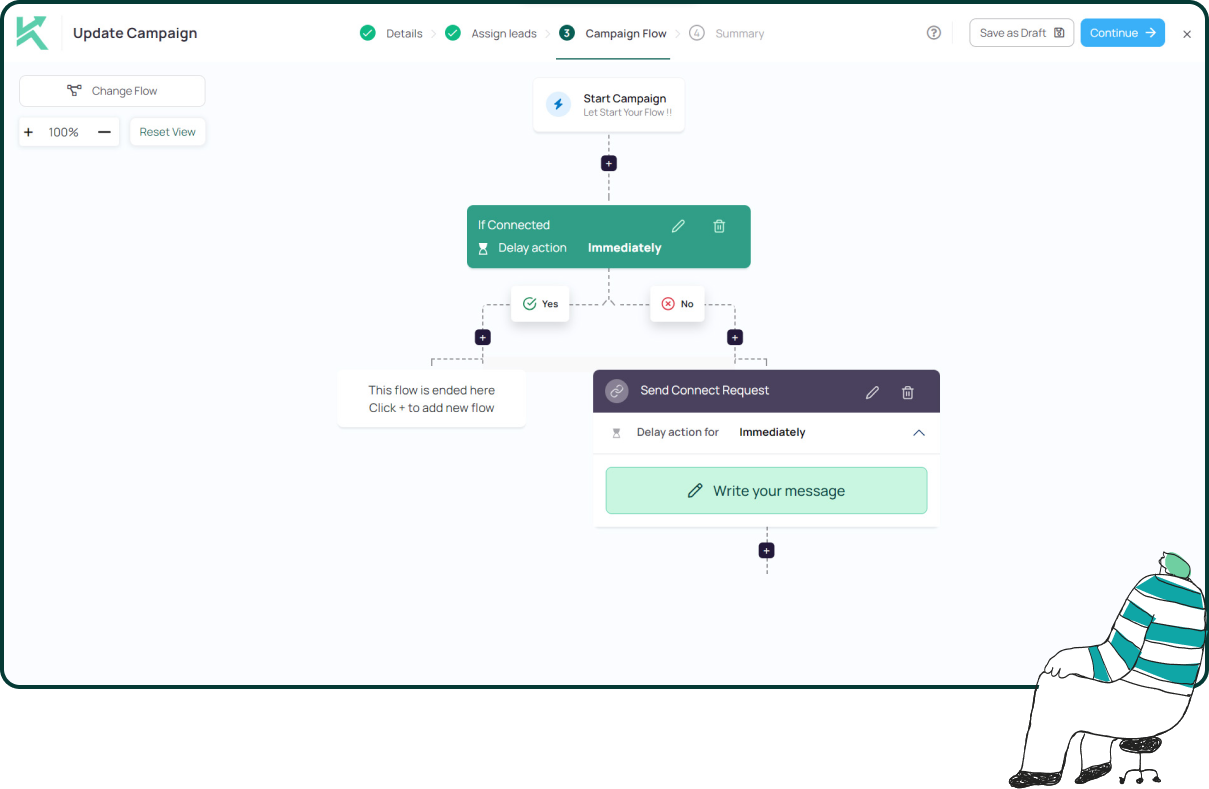
11x Your LinkedIn Outreach With
Automation and Gen AI
Harness the power of LinkedIn Automation and Gen AI to amplify your reach like never before. Engage thousands of leads weekly with AI-driven comments and targeted campaigns—all from one lead-gen powerhouse platform.
Frequently Asked Questions
Sales automation software is a tool that automates repetitive sales tasks such as follow-up emails, lead nurturing, scheduling, tracking engagement, and managing pipelines so sales teams can focus on closing deals.
Email sequence software sends automated emails in a timed series. It helps sales teams follow up consistently, nurture leads, and increase reply rates without manual tracking.
The best sales automation software depends on your needs. CRM-integrated tools work best for pipeline visibility, outbound-focused tools suit cold outreach, and multi-channel platforms are ideal for teams combining email, LinkedIn, and calls.
Most high-performing sequences contain 4 to 6 emails spaced over 10 to 20 days. The ideal number depends on your industry, audience, and offer.
Yes. When used correctly, sales automation improves consistency, timing, and personalization, which typically leads to higher reply rates and more booked meetings.
Yes. Small businesses often benefit the most because automation saves time, prevents missed follow-ups, and helps small teams manage larger pipelines efficiently.
Look for sequence builders, automation triggers, personalization fields, analytics dashboards, CRM integrations, and deliverability safeguards.
Yes. Good automation tools support personalization tokens, dynamic content, and behavior-based triggers so emails still feel relevant and human.