Email marketing has been around longer than most digital channels — and yet, it continues to outperform them.
While social algorithms change overnight and paid ads get more expensive every quarter, email marketing remains one of the most reliable, controllable, and high-ROI marketing channels for businesses of all sizes.
In this guide, we’ll break down:
- What email marketing actually is (beyond the textbook definition)
- The different types of email marketing — with clear examples
- Why email marketing still works in 2026 and beyond
- How to use email marketing strategically, not spammy
If you’ve ever asked, “Is email marketing still worth it?” — this blog is your answer.
What Is Email Marketing?
Email marketing is the practice of sending targeted, permission-based emails to a group of subscribers to build relationships, drive engagement, and achieve specific business goals.
These goals include:
Nurturing leads: Guiding potential customers over time by sharing relevant, helpful content that builds understanding, confidence, and readiness to take the next step — without forcing a sale too early.
Driving sales: Using timely, targeted emails to highlight offers, product benefits, and use cases that encourage subscribers to convert when they’re most likely to act.
Educating users: Helping subscribers understand your product, service, or industry through insights, tips, and resources that reduce friction and increase perceived value.
Onboarding customers:Supporting new users with step-by-step guidance, best practices, and early wins that help them get value quickly and stay engaged.
Building long-term brand trust: Maintaining consistent, honest communication that positions your brand as reliable, knowledgeable, and worth listening to — even when you’re not actively selling.

Unlike social media, email is a direct, owned communication channel. You’re not competing with algorithms, ads, or trending content — you’re landing straight in someone’s inbox.
Email marketing doesn’t interrupt. It continues a conversation.
That’s why it works.
Why Email Marketing Still Matters (Even in 2026)
Some marketers think email is “old school.” The data says otherwise.
- Email delivers one of the highest ROIs among all digital channels
- You control the audience — not a platform
- Emails allow deep personalization at scale
- It supports every stage of the customer journey
Email marketing isn’t about sending more emails.
It’s about sending better, more relevant emails.
How Email Marketing Actually Works
At its core, email marketing follows a simple flow:
- Someone opts in (newsletter, signup form, lead magnet)
- You segment them based on behavior or interest
- You send relevant emails over time
- You measure engagement and refine your strategy
The magic happens in steps 2 and 3 — segmentation and relevance.
Types of Email Marketing (With Examples)
Not all emails serve the same purpose. Understanding the types of email marketing helps you use the right message at the right time.

1. Welcome Emails
Welcome emails are sent when someone first joins your list.
Why they matter:
- They set expectations
- They introduce your brand voice
- They get the highest open rates
Example:
A SaaS company sends a welcome email explaining what the user will receive, how often, and one helpful resource to get started.
First impressions don’t happen twice — welcome emails decide whether people stay.
2. Newsletter Emails
Newsletters are regular updates sent to subscribers.
What they usually include:
- Blog content
- Company updates
- Industry insights
- Curated resources
Example:
A marketing brand sends a weekly email featuring one insight, one tip, and one useful link — not a sales pitch.
The goal is consistency and trust, not conversion.
3. Promotional Emails
Promotional emails are designed to drive action.
Common use cases:
- Product launches
- Discounts
- Sales campaigns
- Event registrations
Example:
An e-commerce store sends a limited-time discount email with a clear CTA and urgency.
Done right, promotional emails feel helpful — not pushy.
4. Lead Nurturing Emails
Lead nurturing emails educate and guide prospects over time.
They are sent:
- After downloading a guide
- After attending a webinar
- During a trial period
Example:
A B2B SaaS company sends a 5-email sequence explaining problems, solutions, case studies, and next steps.
Nurture emails don’t sell immediately. They build confidence.
5. Transactional Emails
Transactional emails are triggered by user actions.
Examples include:
- Order confirmations
- Password resets
- Account notifications
- Payment receipts
These emails have extremely high open rates — which makes them a missed branding opportunity if ignored.
Smart brands use them to reinforce trust and clarity.
6. Re-Engagement Emails
Not all subscribers stay active forever.
Re-engagement emails are sent to:
- Inactive subscribers
- Users who haven’t opened emails recently
- Customers who haven’t returned
Example:
A simple “Still interested?” email with a preference update option or a helpful resource.
Sometimes, permission to leave is what brings people back.
7. Onboarding Emails
Onboarding emails help users understand how to use a product or service.
They focus on:
- Education
- Feature discovery
- Early wins
Example:
A project management tool sends short, step-by-step emails showing how to complete one task at a time.
Good onboarding emails reduce churn dramatically.
Email Marketing Best Practices That Actually Work
Forget gimmicks. These principles make email marketing effective long-term.

1. Permission Over Volume
A smaller engaged list beats a large unresponsive one.
Always prioritize:
- Opt-ins
- Clear expectations
- Easy unsubscribe options
2. Personalization Beyond First Names
Personalization is not just {{FirstName}}.
Better personalization includes:
- Behavior-based triggers
- Content relevance
- Timing based on activity
3. One Clear Goal Per Email
Every email should answer one question: What do I want the reader to do?
Too many CTAs reduce clarity and clicks.
4. Mobile-First Design
Most emails are opened on mobile.
Keep:
- Short paragraphs
- Clear buttons
- Scannable layouts
5. Consistency Beats Frequency
You don’t need daily emails.
You need: a predictable rhythm your audience can trust.
Email Marketing Examples That Feel Human
Here’s what strong email marketing looks like in practice:
- A founder sharing a real lesson learned — not a promotion
- A brand recommending content even when it doesn’t sell
- A reminder email that respects time, not urgency tactics
- A follow-up that references what the user actually did
Good emails feel written for one person — even when sent to thousands.
Common Email Marketing Mistakes to Avoid
Avoid these traps if you want sustainable results:
- Buying email lists
- Sending without segmentation
- Over-automating without context
- Ignoring deliverability and consent
- Measuring only opens instead of engagement
Email marketing fails when it’s treated as a broadcast channel.
Final Thoughts: Is Email Marketing Worth It?
Yes — when done right.
Email marketing is not about blasting messages.
It’s about building trust, relevance, and timing into every communication.
If you respect the inbox, email becomes one of your strongest growth channels — quietly, consistently, and profitably.
Email marketing doesn’t shout. It shows up — again and again — with value.
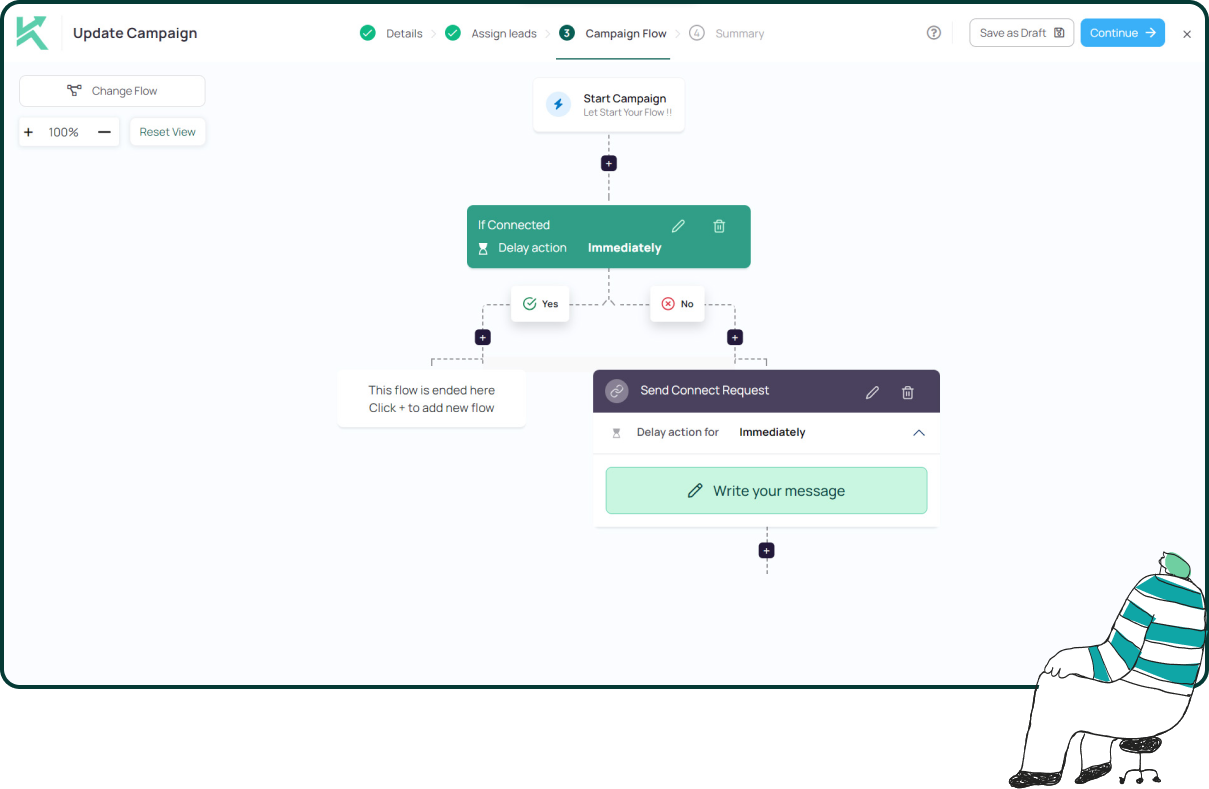
11x Your LinkedIn Outreach With
Automation and Gen AI
Harness the power of LinkedIn Automation and Gen AI to amplify your reach like never before. Engage thousands of leads weekly with AI-driven comments and targeted campaigns—all from one lead-gen powerhouse platform.
Frequently Asked Questions
Email marketing is the practice of sending permission-based emails to a targeted audience to build relationships, educate users, and drive specific business goals such as engagement or sales.
Yes. Email marketing remains one of the highest-ROI digital channels because it allows direct, personalised communication without relying on third-party algorithms.
The main types include welcome emails, newsletters, promotional emails, lead nurturing emails, transactional emails, onboarding emails, and re-engagement emails.
Email marketing is used to nurture leads, drive sales, educate users, onboard customers, and build long-term brand trust through consistent, relevant communication.
Email marketing focuses on strategy and messaging, while email automation uses triggers and workflows to send emails automatically based on user behaviour or timing.
There is no universal frequency. The best approach is consistent, value-driven communication that aligns with audience expectations rather than sending emails too often.
A strong email campaign is relevant, personalised, clearly structured, mobile-friendly, and focused on a single goal with a clear call to action.
Common mistakes include buying email lists, sending generic messages, ignoring segmentation, over-automating without context, and focusing only on open rates.
By delivering useful, honest, and consistent content over time, email marketing positions a brand as reliable and respectful of the inbox.
Yes. Email marketing is cost-effective, scalable, and ideal for small businesses looking to build relationships and grow without heavy ad spend.