Cold email alone used to work. LinkedIn alone used to work. Today, both struggle when used in isolation.
Cold email now faces inbox overload, spam filters, and growing distrust of unknown senders. LinkedIn faces crowded inboxes, endless pitching, and strangers who are easy to ignore.
The real issue is not the channel. It is the order.
Most outreach starts by asking before being known. You ask for time from someone who has never seen you before. Even great copy fails when it comes from a stranger.
People don’t respond to channels. They respond to familiarity.
The Logic Behind the 1–2 Punch
Think about how humans build comfort.

You do not jump straight to deep conversation with a stranger.
LinkedIn is perfect for the noticing and recognizing stage. Cold email is perfect for starting the actual conversation.
When combined:
- LinkedIn builds recognition
- Email starts the conversation
One creates familiarity. The other creates opportunity.
Step One: Use LinkedIn to Be Seen Before You Speak
LinkedIn is not your pitching platform. It is your visibility platform.
Before you ever send an email, your goal on LinkedIn is simple: let your prospect notice that you exist.
You do this by showing up in relevant, natural ways:

Sometimes that is their own posts. Often, it is posts from influencers in their space.
When your future lead sees your name in conversations they already trust, your profile starts to feel familiar—even if they have never spoken to you.
What Makes LinkedIn Warm-Up Work
Warm-up is not about volume. It is about placement.
Ten random comments do not build recognition. One smart comment in the right place can.
The goal is not to be everywhere. The goal is to be where your prospect already looks.
When your name appears:
- Under posts they read
- In threads they scroll
- In conversations they care about
Their brain starts to store you as “someone I have seen before.”
You are not selling yet. You are becoming familiar.
Step Two: Let Cold Email Start the Real Conversation
Cold email is still powerful—when it is not truly cold.
After LinkedIn has done its job, email becomes your conversation starter, not your introduction.
Your email now comes from:
- A name they have seen
- Someone they subconsciously recognize
- Not a random stranger
Instead of thinking, “Who is this?” they think, “Oh, I have seen this name.”
That small shift increases:
- Open rates
- Read time
- Willingness to reply
Basically, LinkedIn builds memory. Email triggers action.
LinkedIn creates recognition. Email creates response.
LinkedIn warms. Email converts.
Used together, each channel fixes what the other lacks.
The Natural Flow of the 1–2 Punch
The flow is simple:
- You show up on LinkedIn
- Your name becomes familiar
- Your email arrives from someone they recognize
Email should come after visibility, not before.
Read more—-> 8 Cold Emailing Myths: Busting Email Outreach Misconceptions
What to Say in the Email After LinkedIn Warm-Up
When your email follows LinkedIn visibility, you do not need to be loud. You are not introducing yourself anymore — you are continuing a story that already started in their head.
You do not need long pitches, heavy features, or aggressive CTAs. Those only matter when you are trying to force attention. Here, attention is already softened.
Your job is simply to connect the dots between who they are, what they care about, and why you are reaching out.
- A topic they care about — something they post about, comment on, or follow
- A trend in their space — a shift, challenge, or pattern they are likely facing
- Something relevant to their role — a problem that shows you understand their world
This is not the place for full product explanations. It is the place for relevance.
A good warm-up email feels like:
“I see your world. I see what matters to you. And I might have something useful to add.”
Your email works not because of clever copy, but because your name already carries memory. You are no longer asking for attention from zero — you are building on attention that already exists.
Why This Feels More Human?
This mirrors real life.
You notice people before you talk to them.
You recognize names before you trust them.
The 1–2 punch respects how humans build comfort. Most teams reverse the order.
They send cold emails first, get ignored, then try LinkedIn as a backup.
By then, their name may already feel annoying.

Read more—-> The Express Outbound Playbook: Inboxes, Lists, and Messaging That Work Fast
How This Scales Without Feeling Robotic
It only feels automated when it ignores human behavior.
When actions are:
- Spaced naturally
- Placed in relevant spaces
- Timed like real behavior
It feels like presence, not automation.
Why This Matters in B2B
B2B deals are trust-based decisions. They are not impulse buys. They involve risk, budgets, internal approvals, and personal accountability. When someone says yes to a B2B product, they are also saying, “I trust this decision with my reputation.”
People do not buy software. They buy from people they feel safe engaging with.
Safety in B2B comes from familiarity. The more often someone sees your name, your ideas, and your presence in their professional space, the less risky you feel. You stop being “a vendor” and start being “someone I’ve seen before.”
That is where LinkedIn does its work. It builds safety through repeated, low-pressure exposure. Your name becomes known. Your presence becomes normal.
Email then builds momentum through clarity. It gives structure to the conversation. It turns recognition into direction.
LinkedIn makes you familiar.
Email makes you understandable.
Together, they reduce fear and increase confidence — which is exactly what B2B buyers need before they ever say yes.
When you manage to get the order right, you will see:
- Higher open rates
- Better replies
- Warmer conversations
- Shorter sales cycles
Not because your copy is magic—but because your timing is human.
From Pitching to Presence
You stop thinking, “How do I convince?”
You start thinking, “How do I become familiar first?”
This shift changes everything.
Pitching is about forcing attention.
Presence is about earning it.
When you lead with pitching, every message feels like an ask. When you lead with presence, your message feels like a continuation.
LinkedIn helps you exist in your prospect’s world before you ever speak to them. Your name shows up. Your ideas show up. Your presence becomes normal, not intrusive.
Email then helps you engage once that presence already exists. It gives your familiarity a voice. It turns recognition into a real conversation.
So the real 1–2 punch is not LinkedIn plus email.
It is:
First, be seen.
Then, be heard.
That is the difference between interrupting people and being welcomed into their conversation.
Final Thought
Cold outreach fails not because people hate being contacted — it fails because they hate being contacted by strangers who haven’t earned their attention.
LinkedIn is where you earn attention.
Cold email is where you use it.
When you combine them, you stop interrupting people and start meeting them halfway.
And that’s when cold outreach stops feeling cold — and starts feeling like a conversation that was already waiting to happen.
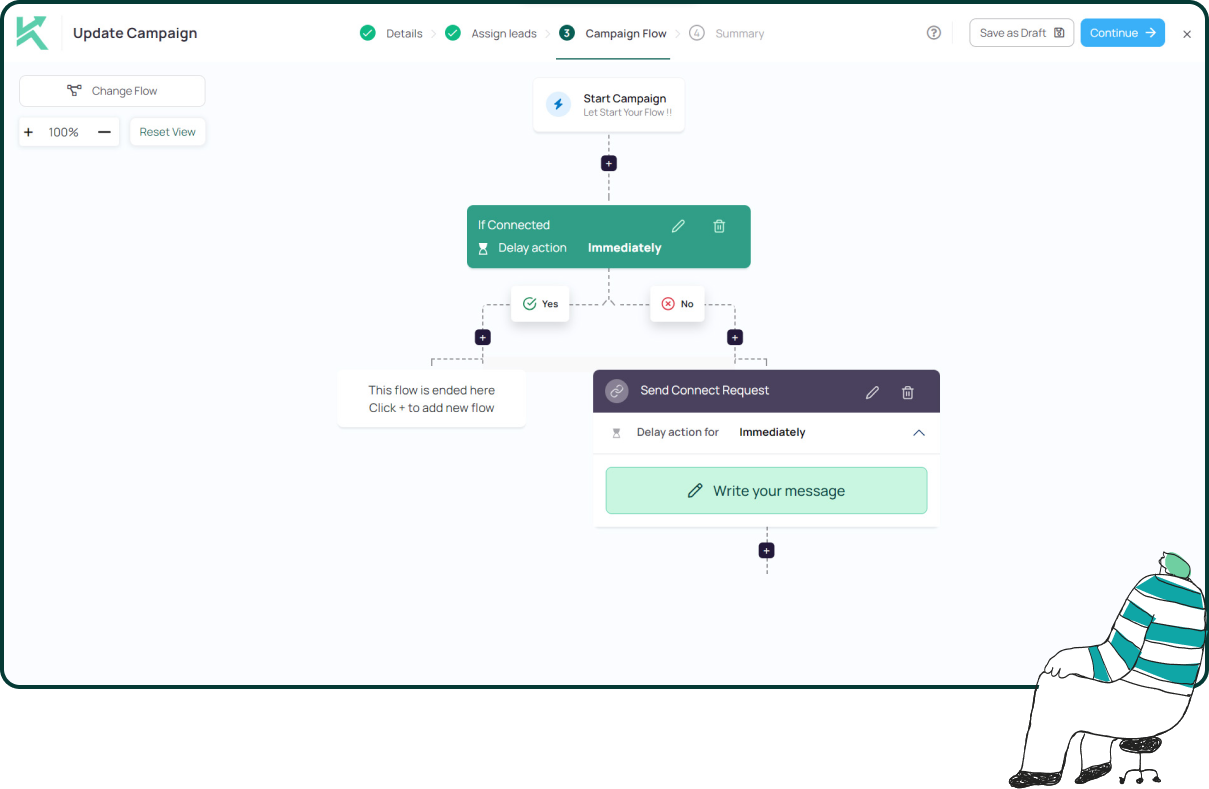
With Konnector.ai, you can build this path automatically—using smart LinkedIn engagement, AI-powered comments, natural profile views, and sequenced outreach that feels human. Instead of jumping straight into pitching, you start by showing up. And when you finally message, you’re no longer a stranger—you’re already familiar.
11x Your LinkedIn Outreach With
Automation and Gen AI
Harness the power of LinkedIn Automation and Gen AI to amplify your reach like never before. Engage thousands of leads weekly with AI-driven comments and targeted campaigns—all from one lead-gen powerhouse platform.
Frequently Asked Questions
Because people trust familiar names more than strangers. LinkedIn builds recognition first, and cold email then starts the conversation with less resistance.
LinkedIn should come first. Visibility and familiarity need to happen before you ask for time through email.
Usually a few days to a week, depending on how active the lead is and how often you can naturally show up.
No. Connection requests can help, but recognition through comments and visibility often matters more than a formal connection.
Thoughtful comments on relevant posts, visibility in high-traction threads, and light profile visits that spark curiosity.
Short, relevant, and human. It should show you understand their world, not explain your entire product.
It works best when leads are active on LinkedIn, but even light activity—like profile views or shared spaces—can help.
Yes. With the right tools and workflows, you can scale visibility, timing, and outreach without losing the human feel.
Konnector.ai automates LinkedIn warm-up using AI comments, natural profile views, and smart sequencing before outreach.
Higher open rates, better replies, warmer conversations, and shorter sales cycles—because you stop sounding like a stranger.