You post.
You wait.
Nothing happens.
No likes.
No comments.
Barely any impressions.
Naturally, the first thought is: “Did LinkedIn shadowban me?”
Let’s clear this up honestly and practically — because the truth is more nuanced (and less dramatic) than most people think.
Is Shadowbanning Actually Real on LinkedIn?
Short answer: LinkedIn does not officially confirm shadowbanning as a feature.
Basically, LinkedIn does not officially shadowban users. However, the platform may reduce post visibility if content receives low engagement, appears spam-like, or triggers algorithm filters. This is often mistaken for a shadowban but is usually an algorithmic distribution decision.
There is no public policy or statement from LinkedIn saying they secretly hide users’ posts.
However…
LinkedIn does reduce reach when it detects low-quality or suspicious behavior.
So what people call “shadowbanning” is usually one of these:

You’re usually not banned.
You’re just not being pushed.
Why Your LinkedIn Reach Suddenly Drops
Reach drops almost always have a cause. The algorithm isn’t random — it’s reactive.

LinkedIn’s algorithm evaluates early engagement signals within minutes of posting.
If initial engagement is weak, reach slows down.
Not punishment. Just distribution logic.
Signs People Mistake for a Shadowban
Many creators assume they’re shadowbanned when they notice:
- Impressions drop suddenly
- Posts stop appearing in hashtag feeds
- Fewer profile views
- Connection requests slow down
- Comments decline
These are visibility signals — not penalties.
Real account restrictions look very different:
- Action blocked warnings
- Messaging limits
- Captcha prompts
- Temporary restrictions
If you don’t see those, you’re not banned.
How to Check If Your LinkedIn Reach Is Actually Being Limited
Instead of guessing, test it.
Run these 5 simple checks:

1. Hashtag Visibility Test
- Post using a niche hashtag
- Log out or use another account
- Search that hashtag
- See if your post appears
If it shows up → you’re not hidden.
2. Engagement Comparison Check
Compare your last 10 posts.
Look for patterns:
- Topics that performed well
- Formats that dropped
- Posting times that worked
Sudden drops are usually content-related, not account-related.
3. Profile Visit Trend
If profile visits are steady but post impressions drop →
It’s a content issue, not an account restriction.
4. Connection Acceptance Rate
If your requests are still getting accepted normally, LinkedIn hasn’t limited your account activity.
5. Search Visibility Check
Search your own name in LinkedIn.
If your profile appears normally → your account isn’t suppressed.
Real Reasons Reach Drops (That Aren’t Shadowbans)
Most visibility drops come from algorithm signals you can control.
The biggest ones:
- Your audience stopped engaging
- Your content became repetitive
- Your hook is weak
- You’re posting at low-activity times
- Your network changed
LinkedIn doesn’t hide bad posts.
It simply stops promoting them.
How to Fix Low Reach Quickly
If your impressions dip, don’t panic. Adjust.
Do this instead:
- Pause posting for 48 hours
- Engage meaningfully on others’ posts
- Post a high-value text post
- Ask a thoughtful question
- Reply to every comment
This resets engagement signals.
Think of LinkedIn like a conversation room.
If you only talk and never listen, people stop responding.
What Actually Hurts Reach the Most
Not automation.
Not posting frequency.
Not hashtags.
The biggest reach killer is irrelevance.
When your audience stops finding value, LinkedIn stops distributing your posts.
That’s it.
How to Stay Algorithm-Friendly Long Term
Creators who consistently grow on LinkedIn follow three habits:
1. Strong Hooks
First two lines decide everything.
2. Specific Content
Niche posts outperform generic advice.
3. Consistent Engagement
Not just posting — responding.
LinkedIn rewards conversations, not broadcasts.
The Truth About “Shadowbanning”
Most people blaming shadowbans are actually seeing one of three things:
- Audience fatigue
- Content decline
- Algorithm recalibration
Once they fix content quality, reach returns.
Because they were never banned.
Final Verdict
Is shadowbanning real on LinkedIn?
Not officially.
What’s real is visibility filtering — and that’s based on signals you can influence.
If your reach drops:
- Audit your content
- Adjust your posting strategy
- Re-engage your audience
Most visibility problems are fixable within a week.
Quick Reality Check
If LinkedIn actually shadowbanned people silently,
high-performing creators would disappear overnight.
They don’t.
Because reach isn’t controlled by secret bans.
It’s controlled by relevance + engagement.
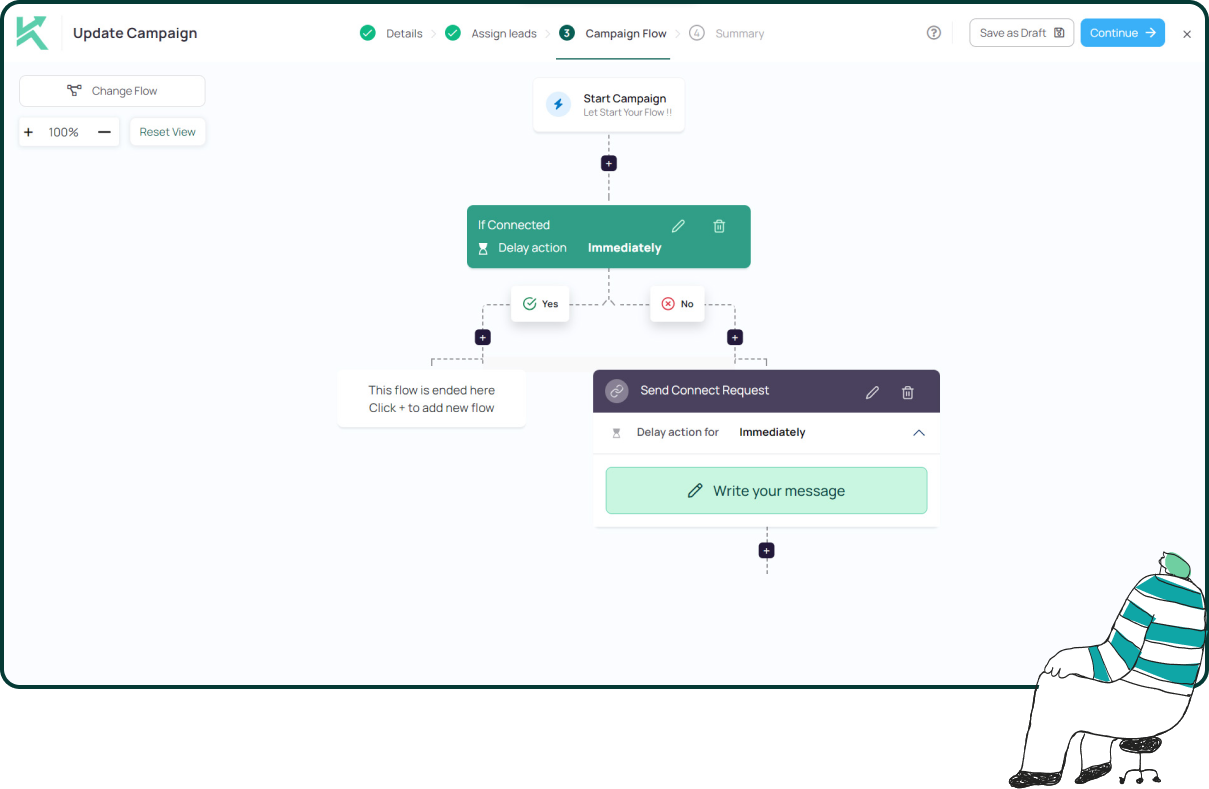
11x Your LinkedIn Outreach With
Automation and Gen AI
Harness the power of LinkedIn Automation and Gen AI to amplify your reach like never before. Engage thousands of leads weekly with AI-driven comments and targeted campaigns—all from one lead-gen powerhouse platform.
Frequently Asked Questions
LinkedIn does not officially confirm shadowbanning as a feature.
You can test this by searching your post under hashtags, checking profile search visibility, reviewing impressions across recent posts, and confirming whether your content appears in feeds from another account.
Sudden drops usually happen due to weak early engagement, repetitive content, audience mismatch, or poor posting timing — not because of a hidden ban.
Since LinkedIn doesn’t officially shadowban accounts, there is no fixed duration. Visibility typically improves within days once engagement signals recover.
Automation itself doesn’t cause shadowbans. Spammy behavior, excessive messaging, or unnatural activity patterns can reduce reach or trigger limits.
The biggest factor is low audience engagement. If people don’t interact with your posts, LinkedIn stops distributing them widely.
Posts with external links may sometimes receive lower distribution because LinkedIn prefers content that keeps users on the platform, but they are not hidden or banned.
Yes. Using irrelevant or excessive hashtags can reduce reach, while targeted niche hashtags often improve discoverability.
Pause posting briefly, engage on others’ posts, publish high-value content, and respond quickly to comments. This signals activity and relevance to the algorithm.
Post valuable content consistently, use relevant hashtags, engage with your audience, avoid spam tactics, and maintain realistic activity levels.