Even though not as widely used as a term, social signals matter in 2026 because buyers now research on their own before talking to sales. They compare tools in LinkedIn threads, ask peers in communities, and consume content from vendors and creators long before filling out a form. This means sales teams enter the buying journey later, but not blind. Every like, comment, follow, post, and question leaves behind a social signal that shows what a buyer is thinking.
These signals help sales teams know who to contact, what to say, and when to reach out.
What this guide will help you do
- Understand what “social signals” mean in a sales context
- Know which signals actually matter (and which ones are noise)
- Build a simple tiered playbook for response timing
- Capture signals consistently and convert them into outreach workflows
- Use Konnector to engage smarter (without looking spammy)
Want to turn social engagement into a lead pipeline?
Use Konnector to warm up the right leads with AI-powered engagement, then reach out when the timing is real.
Book a free demo and see how it works in action.
What “social signals” really mean in sales
- Definition: Social signals are visible actions prospects take on social platforms that reveal awareness, interest, or intent around a problem or solution.
- Why it matters: signals help you reach out with relevance, not guesswork.
Examples of social signals you can act on
- Likes, comments, reposts
- Profile views
- Follows and connection requests
- Direct messages
- Context signals: a VP Sales posts about pipeline issues, a RevOps leader asks for tool alternatives, a founder publicly compares vendors
What social signals are NOT (so your team stays aligned)
- Social listening: monitoring and analyzing conversations at scale to understand brand + competitor chatter and themes.
- Social selling: building presence and trust over time so you’re top-of-mind when buyers are ready.
- Intent data: a wider umbrella that includes website visits, review-site activity, product usage, and more. Social signals are one slice of intent.
Why social signals matter for modern sales teams
- Sharper prioritization: focus on accounts showing signals now, not stale lists.
- Higher reply + meeting rates: outreach that references real behavior (“saw your comment on…”) beats generic messaging.
- Earlier demand detection: tool frustration and peer recommendations often show up weeks before a demo request.
- Better sales + marketing alignment: shared signal definitions make it easier to coordinate plays and measure what actually drives pipeline.

Stop guessing who to message. Use Konnector to warm up leads showing signals, so your outreach lands at the right moment.
The social signals that actually matter: a simple 3-tier model
- Goal: give your team a shared language for signal strength and a clear response playbook.
- Rule: not every signal deserves a DM. Some deserve engagement. Some deserve a fast, high-touch sequence.

Tier 1: High-intent signals (act fast)
- Direct messages asking about pricing, setup, implementation
- Public posts explicitly asking for tool recommendations in your category
- Detailed questions under product announcements, case studies, or comparisons
- Webinar/event registration that matches your ICP + problem
- Booked demo originating from social
- Recommended action: high-touch, fast follow-up (same day if possible), multi-step sequence, clear ownership.
Tier 2: Mid-intent signals (light outreach + confirm timing)
- New follows from ICP roles
- Connection requests from economic buyers or strong influencers
- Repeated engagement across multiple posts in your niche
- Job changes, promotions, new hiring (often signals new initiatives)
- Recommended action: engage first, then context-aware outreach to confirm if there’s an active initiative.
Tier 3: Low-intent signals (nurture + watch for escalation)
- Decision-maker discussing high-level challenges in communities
- ICP contact liking competitor thought leadership
- ICP buyer joins a niche group but stays passive
- Recommended action: add to nurture pools, engage periodically, watch for movement into Tier 2/1.
How to capture and track social signals consistently
1) LinkedIn: your primary signal source
- Engagement on your posts and your team’s posts
- Profile views from target accounts
- New followers
- Comments on posts related to your category, competitors, or pain points
- Job changes and promotions
How to track it without chaos
- Create a simple capture habit: when you spot a signal, record: who, company, what happened, where, date, and “why it matters.”
- Use saved lead lists: keep ICP roles and target accounts in Sales Navigator (or a structured lead list) so signals don’t slip.
- Standardize tags: “Tier 1 – Tool rec post”, “Tier 2 – Job change”, “Tier 2 – Repeat engager”, etc.
How Konnector uses social signals
- Starts from real LinkedIn behavior: Konnector identifies prospects based on visible actions such as posting, commenting, liking, attending events, viewing profiles, or following—rather than static lists.
- Prioritizes signals by intent strength: Creators and active commenters are surfaced first, followed by event and group participants, with profile viewers and followers treated as lower-intent but useful warm signals.
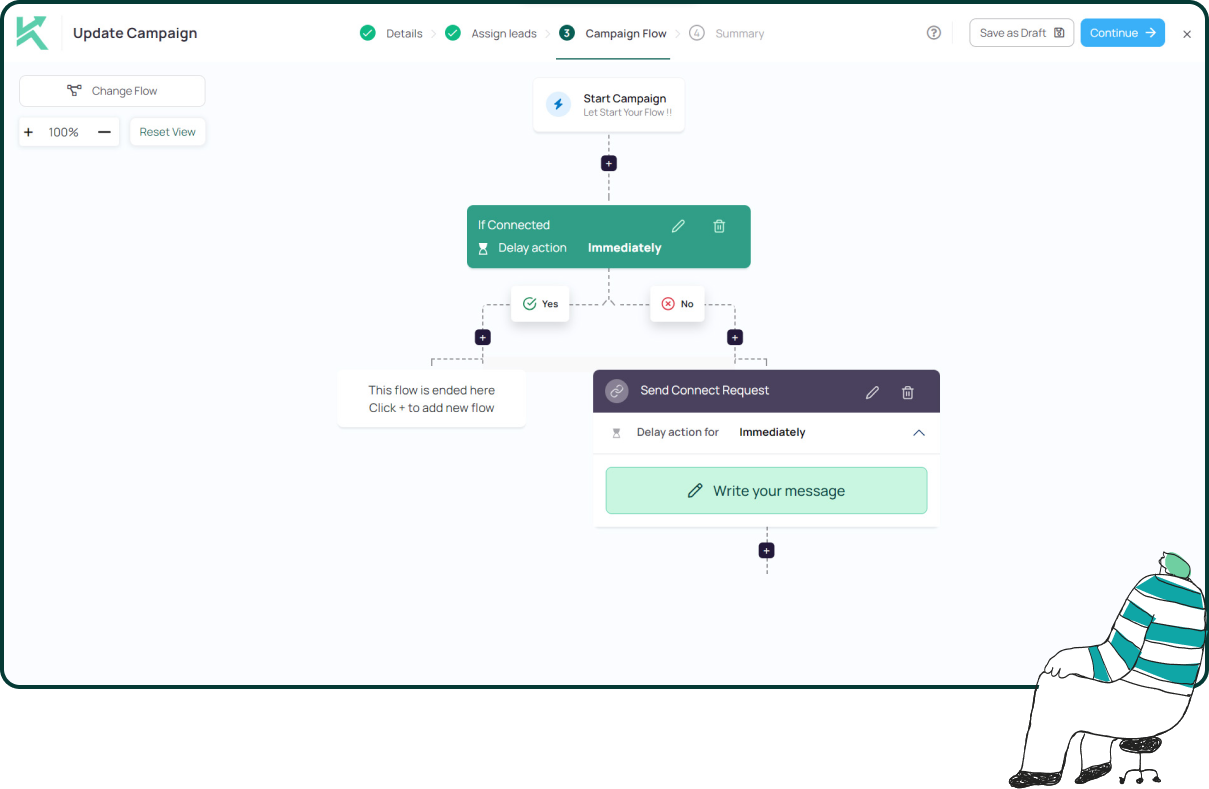
- Builds familiarity before outreach: Instead of sending a cold message, Konnector helps you show up first through light, paced engagement like profile views, reactions, and short, context-aware comments.
- Triggers outreach at the right moment: Messages are sent only after visibility is established, and they reference the exact signal that prompted the outreach.
- Outcome: Sales teams reach out when attention already exists—making conversations feel natural and increasing reply rates without increasing volume.
2) Beyond LinkedIn: open networks and public communities
- X and other networks where founders and operators talk openly about their stack
- Slack/Discord communities and forums where “best tool for X” questions show higher intent
- Reddit threads that reveal frustration, alternatives, and peer recommendations
- Capture rule: if the person matches ICP and the thread shows urgency, treat it as Tier 1 or Tier 2 based on specificity.
3) Review and comparison platforms
- Category page visits, competitor comparisons, shortlist behavior (treat as “attention signals” alongside social)
- Use it to support timing and prioritization when combined with LinkedIn signals
Turning social signals into outreach: practical workflows sales teams can reuse
- Best teams don’t improvise every time. They use repeatable plays that match signal tiers.

Workflow A: Prospect engages with problem-focused content (Tier 2)
- Step 1: qualify quickly (role + company + ICP fit)
- Step 2: engage first (like/comment with a real point of view)
- Step 3: send a short message that references the topic (not a full pitch)
- Step 4: follow up with value (example, resource, quick diagnostic question)
Workflow B: Prospect asks for alternatives publicly (Tier 1)
- Step 1: respond publicly with something helpful (not promotional)
- Step 2: follow with a connection request referencing the thread
- Step 3: send a concise DM offering a comparison or migration checklist
Workflow C: Leadership posts about missed targets or outbound not working (Tier 2)
- Step 1: engage with a thoughtful comment (one actionable idea)
- Step 2: connect with a relevant, non-pushy note
- Step 3: follow up with a short message offering a diagnostic angle or case example
Workflow D: Webinar/event engagement sourced from social (Tier 1/2)
- Attended + engaged: reference the specific topic/question, offer next step
- Registered, no-show: share the recording + a one-line prompt
- Engaged on promo post: treat as Tier 2 warm-up, then follow up
Want these workflows to run without the manual work?
Use Konnector to automate profile views, likes, and smart engagement so your reps can focus on real conversations.
Sign up and start building smarter outreach.
Measuring impact: how to prove social signals drive pipeline
What to track weekly
- Signal volume captured (by tier)
- Speed-to-first-touch (time from signal to action)
- Reply rate and meeting rate for signal-based outreach vs cold outreach
- Opportunities sourced or influenced by social signals (using consistent tags)
How to iterate without overcomplicating
- Promote signals that consistently convert (Tier 3 → Tier 2)
- Deprioritize signals that don’t correlate with meetings
- Adjust response timing rules by segment (SMB vs mid-market vs enterprise)
Wrapping up
By 2026, buyers will continue researching in public and semi-public spaces long before talking to sales. Every like, comment, follow, and question is a signal of intent—if you have a system to capture and act on it. Winning teams won’t guess who to message. They will track the right signals, classify them by intent, and respond with the right play at the right time.
Turn social signals into predictable outreach.
Use Konnector to automate smart engagement—profile views, likes, and AI-powered comments—so your team shows up early, stays relevant, and earns replies.
Sign up and start building smarter outreach today.
11x Your LinkedIn Outreach With
Automation and Gen AI
Harness the power of LinkedIn Automation and Gen AI to amplify your reach like never before. Engage thousands of leads weekly with AI-driven comments and targeted campaigns—all from one lead-gen powerhouse platform.
Frequently Asked Questions
Social signals are visible actions people take on social platforms that show interest or intent, such as likes, comments, follows, profile views, posts, and public questions about tools or problems.
Social signals are important in 2026 because buyers research on social platforms before talking to sales. These actions show who is interested, what they care about, and when they may be ready to talk.
The strongest signals include asking for tool recommendations, direct messages about pricing, repeated engagement with niche content, job changes, and leadership posts about business challenges.
Sales teams track signals, classify them by intent, and use them to send relevant messages that reference what the buyer actually did, instead of sending generic cold outreach.
LinkedIn is the most important platform for B2B social signals because it shows job roles, company changes, content engagement, and professional discussions in one place.
Social signals are one part of intent data. Intent data also includes website visits, review-site activity, and product usage, while social signals focus only on public social behavior.
Konnector automates profile views, likes, and AI-powered comments so sales teams can warm up leads showing social signals before sending messages.
Social signals do not replace outreach, but they make it smarter by showing who to contact, what to say, and when to reach out.
Sales teams should avoid reacting to every signal, using creepy personalization, and sending messages without context or timing.
Yes, outreach that references real behavior like posts, comments, or questions gets more replies because it feels relevant and human.